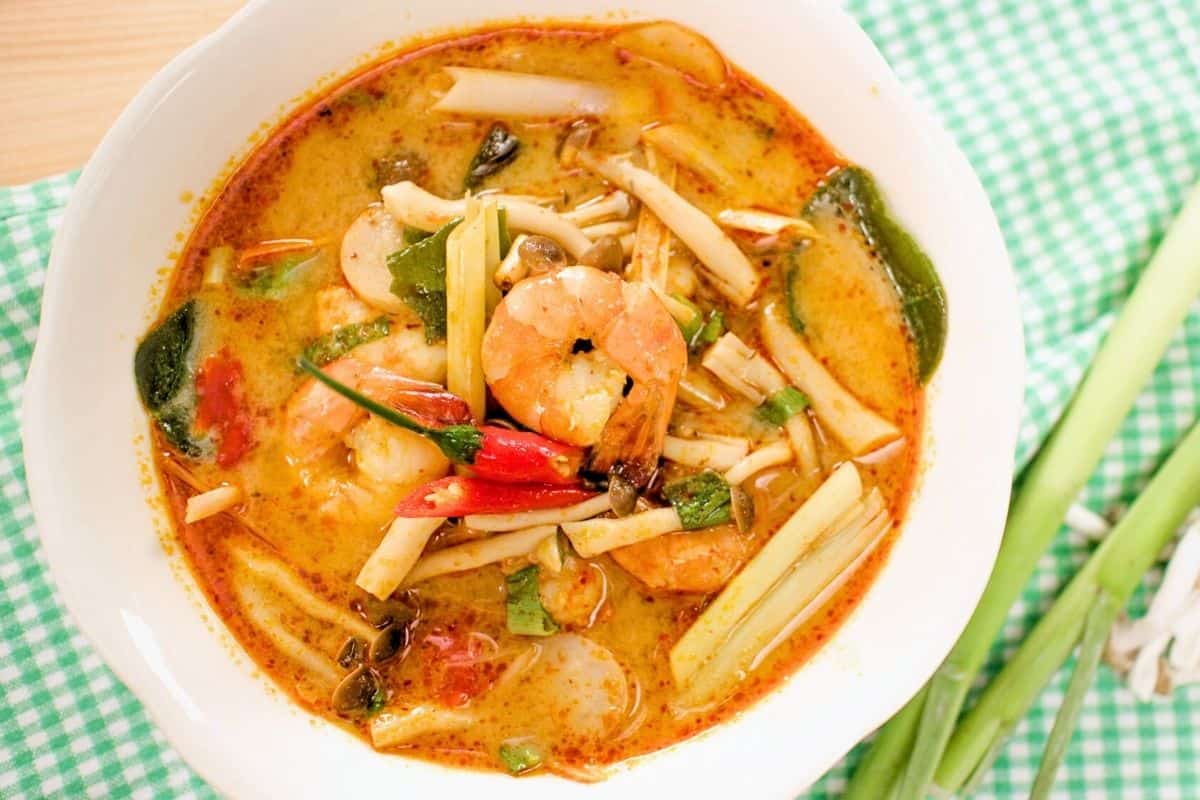
The Irresistible Allure of Creamy Tom Yum Goong: A Journey to Authentic Thai Flavor
Few dishes capture the essence of Thai cuisine quite like Tom Yum soup. This iconic hot and sour delight, celebrated globally, comes in two beloved variations: a clear broth known as Tom Yum Goong Nam Sai, and its richer, more indulgent counterpart, Tom Yum Goong Nam Khon – the creamy version. While both offer a tantalizing dance of spicy, sour, salty, and sweet, it’s the creamy iteration that often truly captivates, offering a depth of flavor and a comforting mouthfeel that makes it an undisputed favorite. If you've ever dreamt of recreating that exquisite, authentic taste of
creamy tom yum soup in your own kitchen, prepare to unlock a culinary secret that will transform your homemade efforts into a truly restaurant-worthy experience.
Originating from Thailand, Tom Yum Goong (with "Goong" meaning shrimp) is more than just a soup; it's a sensory experience. The moment its vibrant aroma – a heady mix of lemongrass, galangal, and kaffir lime leaves – wafts through the air, you are instantly transported to the bustling streets of Bangkok or the tranquil beaches of Phuket. It’s a dish that embodies warmth, satisfaction, and incredible flavor, all while remaining surprisingly light and healthy. And despite its gourmet reputation, crafting an authentic bowl of creamy Tom Yum is an achievable feat for any home cook, promising results so delicious, you’ll want to make it time and time again. For a deeper dive into its global appeal, explore
Creamy Tom Yum: Why This Aromatic Thai Soup is a Global Favorite.
Unlocking the Ultimate Richness: The Secret to a Delectably Creamy Tom Yum Broth
The defining characteristic of
creamy tom yum soup, beyond its signature tang and spice, is its luscious, velvety texture. This isn't just achieved by adding milk at the end; the true secret lies in building an incredibly rich and flavorful base broth, a technique deeply rooted in traditional Thai cooking that also champions a no-waste philosophy. The magic ingredient? Whole shrimp – specifically, their heads, shells, and tails.
While some recipes might have you discard these parts, an authentic Tom Yum Goong recipe harnesses them to create an unparalleled depth of flavor. The heads of the shrimp, in particular, are a treasure trove of natural fats and savory compounds. When gently sautéed and then simmered, they release an incredible natural umami and a subtle sweetness that forms the backbone of the soup. This extraction process infuses the broth with a distinct "shrimp essence" that simply cannot be replicated with just the peeled shrimp meat. It’s this natural richness, derived directly from the primary protein, that gives the broth its incredible body and contributes significantly to the addictive quality of an authentic
creamy Thai shrimp soup. Don't be afraid to get a little adventurous; the reward is a naturally umami-packed, deeply flavorful stock that elevates your Tom Yum to new heights.
A Symphony of Flavors: Building Layers Beyond the Broth
Once you've mastered the art of the shrimp-head infused broth, the next step in crafting an exquisite
creamy tom yum soup is weaving in its iconic aromatic and seasoning elements. This is where the soup truly comes alive, transforming from a simple stock into a complex tapestry of tastes and smells.
The foundation of Tom Yum's distinct flavor profile rests on a handful of fresh, aromatic ingredients:
- Lemongrass: Providing a bright, citrusy, and slightly gingery note. Bruising the stalks before adding them helps release their essential oils.
- Galangal: Often mistaken for ginger, galangal offers a sharper, more peppery, and piney aroma that is indispensable to Thai cuisine.
- Kaffir Lime Leaves: These fragrant leaves impart an intense, zesty citrus aroma that is utterly unique and defining for Tom Yum.
- Cilantro Roots (or Stems): Often overlooked, the roots of cilantro contribute an earthy, peppery freshness that rounds out the herbal notes.
- Shallots and Garlic: Providing a sweet and pungent base that deepens the overall flavor.
These aromatics are typically infused into the simmering broth, allowing their essence to permeate every drop. But the journey to authentic flavor doesn't stop there. The next crucial component is
Nam Prik Pao, a Thai chili paste that is a non-negotiable staple for
creamy tom yum soup. This paste, often made with roasted chilies, shallots, garlic, and tamarind, adds not just heat but a rich, smoky sweetness and depth that is fundamental to the creamy version.
Finally, the perfect balance of the five key Thai flavors—sweet, sour, salty, spicy, and umami—is achieved through careful seasoning:
- Tamarind Paste: For its distinctive, fruity sourness.
- Fish Sauce: Providing the essential salty, umami depth.
- Sugar: To balance the sour and spicy notes, often palm sugar for an authentic taste.
And, of course, to achieve that signature creaminess, evaporated milk (or sometimes coconut milk for a dairy-free alternative) is stirred in at the end, lending a velvety richness that harmonizes all the bold flavors into a comforting, irresistible whole. For a comprehensive guide on making this at home, check out
Easy Creamy Tom Yum Soup: Your Ultimate Thai Comfort Meal.
Mastering Your Homemade Tom Yum: Practical Tips for an Authentic Bowl
Crafting a truly authentic and delicious
creamy tom yum soup at home is incredibly rewarding. With a few practical tips, you can ensure your culinary efforts yield a bowl that rivals your favorite Thai restaurant:
- Source Fresh Ingredients: The quality of your aromatics (lemongrass, galangal, kaffir lime leaves) and shrimp makes a significant difference. Fresh is always best for maximum fragrance and flavor. Look for firm, vibrant ingredients.
- Don't Overcook the Shrimp: Shrimp cooks quickly. Add your peeled and deveined shrimp (reserving heads/shells for broth, as discussed) in the final minutes of cooking. They are done when they turn pink and opaque, typically 2-3 minutes. Overcooked shrimp become tough and rubbery.
- Taste and Adjust: Thai cooking is all about balance. Continuously taste your soup throughout the seasoning process. Add small amounts of fish sauce, tamarind, sugar, or lime juice until you achieve your desired harmony of spicy, sour, salty, and sweet.
- Bruise Your Aromatics: Before adding lemongrass stalks, galangal slices, and kaffir lime leaves to the broth, lightly bruise them with the back of a knife or a pestle. This helps release their essential oils, intensifying their flavor and aroma.
- Garnish Generously: Fresh cilantro, a squeeze of lime juice, and perhaps a drizzle of chili oil are not just decorative; they add a final burst of freshness and zing that elevates the entire dish.
- Consider Your Heat Level: Adjust the amount of Nam Prik Pao or fresh chilies according to your spice preference. You can always add more heat, but it's harder to remove it!
Making this iconic soup from scratch allows you complete control over the ingredients, ensuring a wholesome meal that caters perfectly to your taste buds. The effort is minimal compared to the immense satisfaction you'll gain from creating such a flavorful and aromatic dish.
Embrace the Authentic Creamy Tom Yum Experience
There's a reason why
creamy tom yum soup holds such a revered place in Thai cuisine and in the hearts of food lovers worldwide. Its intricate blend of bold flavors, the comforting creaminess, and the intoxicating aroma make it more than just a meal – it's an experience. By embracing the traditional secret of utilizing whole shrimp heads for your broth and meticulously balancing the vibrant aromatics and seasonings, you are not just cooking; you are embarking on a culinary journey that celebrates authenticity and flavor. So, gather your ingredients, follow these tips, and prepare to unlock the true taste of Thailand in your own kitchen. Your senses, and your taste buds, will thank you.